IPE Scholars are supported by UBC Health to engage in projects that support, challenge, and improve interprofessional education (IPE) at UBC. Through the IPE Scholars network, they share their ideas and inform a broader research agenda for innovative, interprofessional activities that have the potential to advance progress in health professional education.
Inaugural Cohort | 2023 - 2025

| Abiola AdeniyiTitle: Postdoctoral Fellow Abiola Adeniyi is a Postdoctoral Fellow in Global Maternal and Child Health with the Department of Obstetrics and Gynaecology, UBC Vancouver. A dentist by training, she has a master’s degree in public health and a master’s degree in health management policy and planning. She graduated from UBC with a PhD in Craniofacial Science. Her doctoral dissertation examined strategies for an integrated and interprofessional approach to preventive oral care during pregnancy in British Columbia. She loves teaching and received the prestigious UBC Killam teaching award for graduate teaching assistants in 2021. IPE Scholars Project: Bridging the gap: Integrating Oral Health Into Non-dental Health Professions’ curricula in UBC Working with Shimae Soheilipour, their project highlighted the importance of incorporating oral health content into non-dental health professions’ curricula to enhance understanding of oral-systemic health connections and other oral health concerns. |
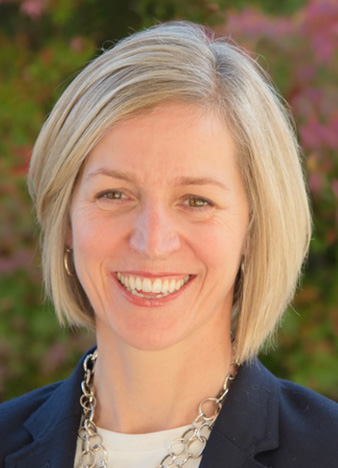 | Kelly AllisonTitle: Associate Professor of Teaching and Chair of Field Education Kelly Allison, MSW, RSW, is an Associate Professor of Teaching with the UBC School of Social Work where she teaches social work practice courses in both the undergraduate and graduate programs. She completed her Bachelor of Arts in psychology at the University of Guelph and her Master of Social Work at Wilfrid Laurier University with a clinical concentration with Individuals, families and groups. Kelly has served as Chair of the Field Education program for the School since July 2019. Kelly’s clinical work as a social worker spans 20 years including positions in a community children’s mental health clinic and the Ministry for Children and Family Development as an intake worker, family service worker and a social worker with the family preservation program. Kelly then moved into health social work with the majority of her career being at BC Children’s hospital. In her role as Educational Leadership faculty, Kelly’s focus is on advancing teaching and learning for social work education including pedagogical innovation, the scholarship of teaching and learning, curriculum development and mentorship for teaching excellence. As a medical social worker for over twenty years, Kelly has experienced the critical importance of collaborative, high functioning interprofessional collaboration in healthcare. In her role as Director of Education for UBC Health she continues to contribute to the development of innovation in collaborative health education. IPE Scholars Project: What do Educators Mean by Professionalism? Exploring Core Concepts Working with Laura Bulk, their project aimed to understand what concepts/skills and values are trying to be taught and what changes can be made to decenter whiteness. Recognizing that professionalism is a core component of effective collaborative care, their project resulted in revisions to the Integrated Curriculum Professionalism workshop.
|
 | David AnekweTitle: Assistant Professor of Teaching David Anekwe is an Assistant Professor of Teaching and Academic Site Lead for the UBC Master of Physical Therapy-North program. He holds a PhD in Rehabilitation Sciences from McGill University and completed postdoctoral training at Concordia University. David’s previous research interests were respiratory and exercise physiology, respiratory disease, cardiovascular disease, cardiac and pulmonary rehabilitation, rehabilitation in critical care, and knowledge translation and synthesis. Since joining UBC in 2020, David has been developing a new area of research related to interdisciplinary pedagogy, student learning, and distributed health professions education. IPE Scholars Project: Early IPE in Anatomy – Implementing IP Peer Teaching in the North Working with Julia Wimmer-Klick, their project filled a gap in IPE by introducing peer-teaching Surface Anatomy where medicine and physical therapy students learn clinical skills together.
|
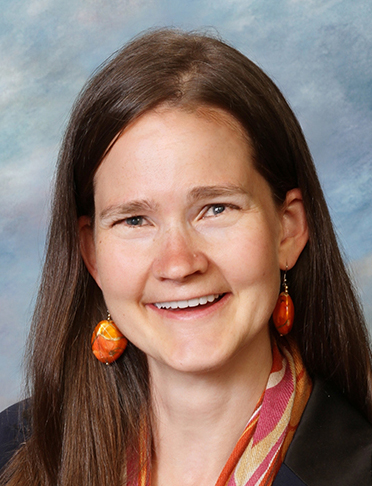 | Laura BulkTitle: Assistant Professor of Teaching Laura Yvonne Bulk is a daughter, friend, cousin, tante. She is a Dutch settler to W̱SÁNEĆ territory, a first-generation university student, a disabled scholar, and an occupational therapy educator. Her educational leadership focuses on promoting justice (right relationship) and building spaces of belonging as people from equity-denied groups and in distributed education. IPE Scholars Project: What do Educators Mean by Professionalism? Exploring Core Concepts Working with Kelly Allison, aimed to understand what concepts/skills and values are trying to be taught and what changes can be made to decenter whiteness. Recognizing that professionalism is a core component of effective collaborative care, their project resulted in revisions to the Integrated Curriculum Professionalism workshop. |
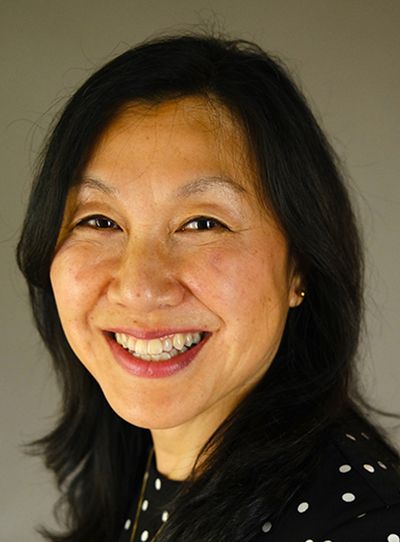 | Marcia ChoiTitle: Associate Professor of Teaching and the Lead for Academic Coordination of Clinical Education Marcia Choi is an Associate Professor of Teaching and the Lead for Academic Coordination of Clinical Education in the School of Audiology and Speech Sciences. She holds a Master of Science in Speech-Language Pathology from UBC and has an extensive teaching career with students and healthcare professionals as well as being a speech-language pathologist. She received the 2014 Award for Excellence in Interprofessional Education and Teaching and the 2025 Faculty of Medicine Distinguished Achievement Award for Excellence in Education. Marcia has interest in the application of performance management strategies and reflective practice for professional skills in clinical learners and is a champion of interprofessional client care. IPE Scholars Project: Dysphagia Interprofessional Competencies Project The project developed a learning tool to support students to recognize and understand their own roles and that of others in dysphagia care. This project was partially informed by UBC health profession curriculum stakeholders and produced an asynchronous resource highlighting authentic IP collaborative practice in dysphagia care across different clinical settings. The Dysphagia Interprofessional Panel resource is a high-quality video featuring clinicians from Nursing, Dental Hygiene, Dietetics, Speech-language Pathology, Occupational Therapy and Pharmacy, and is also available as video segments. |
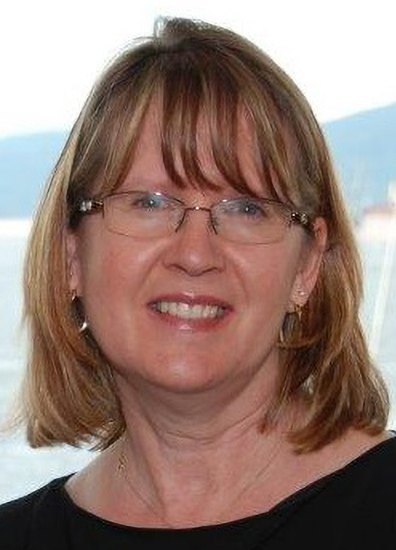 | Janet LundieTitle: Lecturer and Professionalism Stream Coordinator Janet Lundie’s area of clinical interest is frail older adult rehabilitation. Since catching the ‘teaching bug’ when asked to lecture on limb loss as a relatively new graduate, she has worked in many settings and with different populations as a clinician educator. She believes that educators promote real practice change by providing opportunities for critical thinking and reflection, tools, and resources that support clinicians in daily practice. Janet advocates that patients more than anyone else teach health professionals, who need to be open to learning from patients while supporting their health. IPE Scholars Project: How are UBC Health professional Program curricula supporting the 3As -Autonomy, Agency, and Activation The project explored of how patients are supported to engage with teams and become experts in their own health. The exploration started at the beginning – how are we training our Health Professional Program students to draw patients into effective therapeutic alliances including team-based care. Findings show that while there is curricular alignment related to teaching learners to foster autonomy in patients and/or clients, there is more variation in content related to agency and activation. Skills related to the 3As relies in clinical education. The project also highlights future areas of study to continue advancing work in this area. |
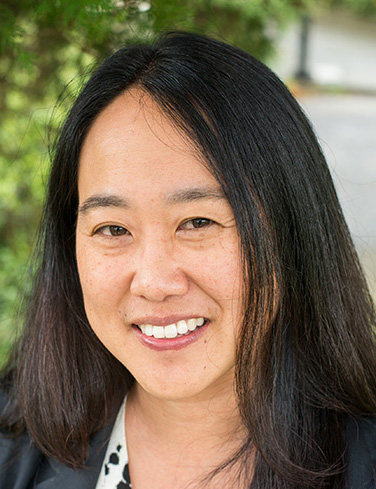 | Tracey OhTitle: Co-Director, UBC Master’s Program in Genetic Counselling Since becoming a genetic counsellor in 2002, Tracey Oh’s clinical experience has covered a broad range of practice including prenatal, pediatric, and general genetic counselling. Tracey has been involved with clinical training and supervision beginning in 2004 as a genetic counsellor preceptor and as Co-Director for UBC Master’s Program in Genetic Counselling since 2012. IPE Scholars Project: Interprofessional Care and the Patient Experience Working with Jenna Scott, the project focused on creating a relevant learning activity that developed interprofessional competencies among health professions that genetic counsellors often interact with. The project was developed and delivered in collaboration with a patient-partner, medical geneticists, and genetic counsellors and guided by the Canadian Interprofessional Health Collaborative (CIHC) competency of Role Clarification and Negotiation. |
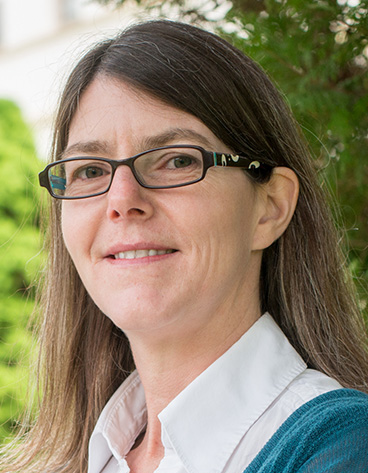 | Jenna ScottTitle: Co-Director, UBC Master’s Program in Genetic Counselling Jenna Scott has been Program Co-Director for the UBC Master’s Program in Genetic Counselling since 2012 with primary responsibility for curriculum development and student research. Jenna has supervised more than 100 genetic counselling students over the past 27 years. She received the Department of Medical Genetics Clinical Teaching Award in 2006 and the Faculty of Medicine Clinical Excellence in Teaching Award in 2007. Recent professional contributions have focused on competence, including board members for: Accreditation Council for Genetic Counselling; American Board of Genetic Counsellors (ABGC) Certification Exam Committee; ABGC Continuing Competence Committee; Association of Genetic Counselling Program Directors Leadership Development Subcommittee. IPE Scholars Project: Interprofessional Care and the Patient Experience Working with Tracey Oh, the project focused on creating a relevant learning activity that developed interprofessional competencies among health professions that genetic counsellors often interact with. The project was developed and delivered in collaboration with a patient-partner, medical geneticists, and genetic counsellors and guided by the Canadian Interprofessional Health Collaborative (CIHC) competency of Role Clarification and Negotiation. |
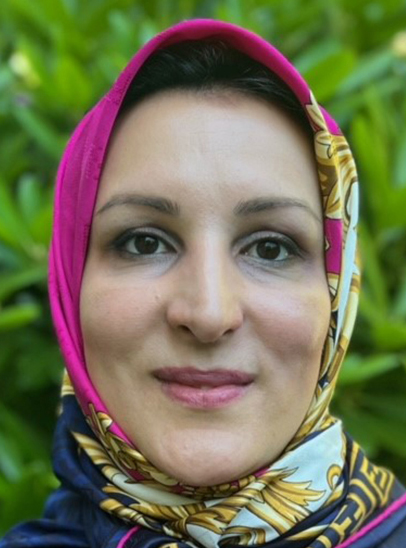 | Shimae SoheilipourTitle: Clinical Assistant Professor Shimae Soheilipour is a Clinical Assistant Professor in the Faculty of Dentistry, holding a PhD in Dental Public Health from King's College in London, UK. She brings rich experience in clinical practice and academia. Joining UBC in 2014 as a postdoctoral fellow, she later became part of the Faculty of Dentistry in 2019. With a deep passion for research and teaching, Shimae has led the interprofessional education program for dentistry since 2020. Committed to the UBC Health Integrated Curriculum Implementation Group, she prioritizes enhancing IPE to equip dental students for excellence in collaborative, patient-centred healthcare across disciplines. IPE Scholars Project: Bridging the gap: Integrating Oral Health Into Non-dental Health Professions’ curricula in UBC Working with Abiola Adeniyi, their project highlighted the importance of incorporating oral health content into non-dental health professions’ curricula to enhance understanding of oral-systemic health connections and other oral health concerns. |
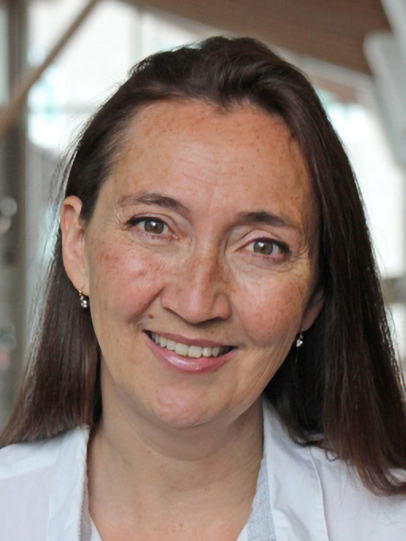 | Julia Wimmers-KlickTitle: Senior Lab Instructor, Regional Director of Faculty Development, Portfolio Site Lead Born in Austria and raised in Germany, Julia Wimmers-Klick completed her medical studies at the University Innsbruck, Austria and acquired her Doctor Medicinae Universae. She continued her training as a head and neck surgeon and ENT physician, and practiced in otorhinolaryngology (adult and pediatric) at the University Hospital in Innsbruck for more than a decade. In 2007, she moved with her family to BC, and in 2015, she joined the academic faculty in the Northern Medical Program at UBC, focusing on teaching year 1 and 2 medical students across the curriculum, combined with her research emphasis on interprofessional healthcare pedagogy. IPE Scholars Project: Early IPE in Anatomy – Implementing IP Peer Teaching in the North Working with David Anekwe, their project filled a gap in IPE by introducing peer-teaching Surface Anatomy where medicine and physical therapy students learn clinical skills together. |
Second Cohort | 2024 - 2026
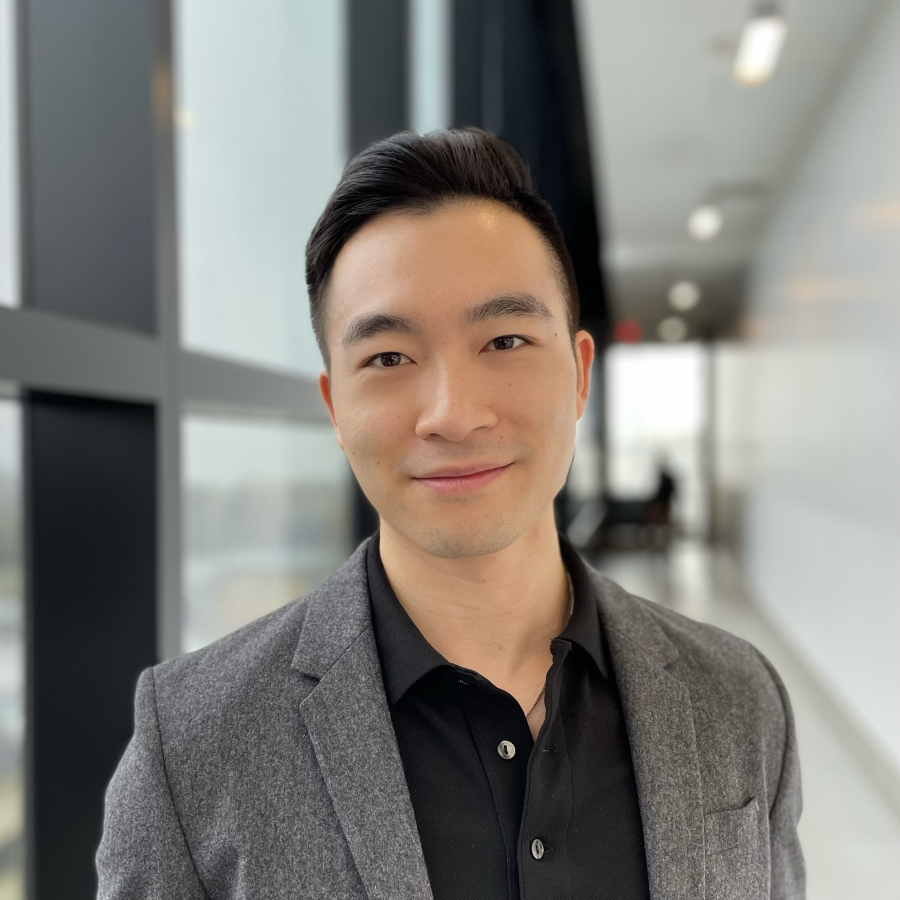 | ALEX TANGTitle: Lecturer Department: Office of Experential Education Faculty: Pharmaceutical Sciences Areas of interest / IPE Activities: 2SLGBTQ+ health care, practice education, interprofessional collaboration. Alex Tang (he/him), MEd, BSc(Pharm) leads the Non-Direct Patient Care portfolio within the Office of Experiential Education. In this role, Alex supports practice education for pharmacy programs, including the coordination of an interprofessional collaboration practicum. His innovative course redesign and evaluation for this practicum earned him the Educational Scholarship Poster Award from the Association of Faculties of Pharmacy of Canada in 2024. In addition to IPE and experiential education, his educational leadership work is focused on developing 2S/LGBTQ+ competencies amongst students and pharmacy professionals through examining and challenging cisheteronormative discourses. |
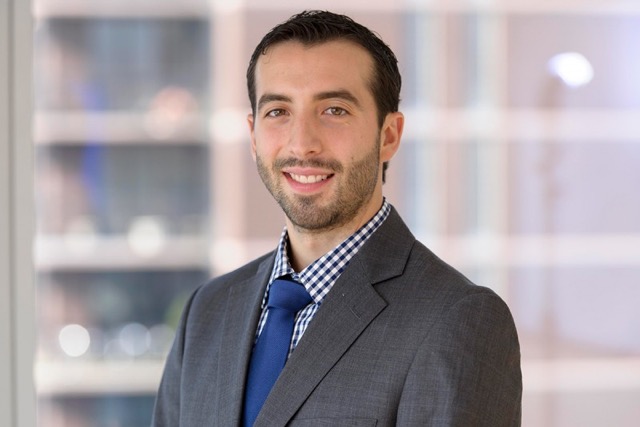 | JOHN SASSOTitle: Assistant Professor of Teaching Department: School of Health and Exercise Sciences Faculty: Health and Social Development Areas of interest / IPE Activities: Developing interprofessional education for Clinical Exercise Physiology. Establishing partnerships with health programs to promote the integration of Clinical Exercise Physiologists into healthcare teams and facilitate co-learning and interdisciplinary collaboration. John is a Clinical Exercise Physiologist (CEP) with extensive experience in sport, fitness, research, and healthcare settings, incorporating exercise as medicine. He has worked across the care continuum, creating tailored exercise prescriptions to enhance health outcomes. Over the past decade, John has been instrumental in advancing standards and training for CEPs and developing North America's first competency-based undergraduate CEP curriculum at UBCO. As an Assistant Professor of Teaching, John is dedicated to high-quality educational practices, empowering future exercise professionals with the skills to improve the health of their future patients and communities. |
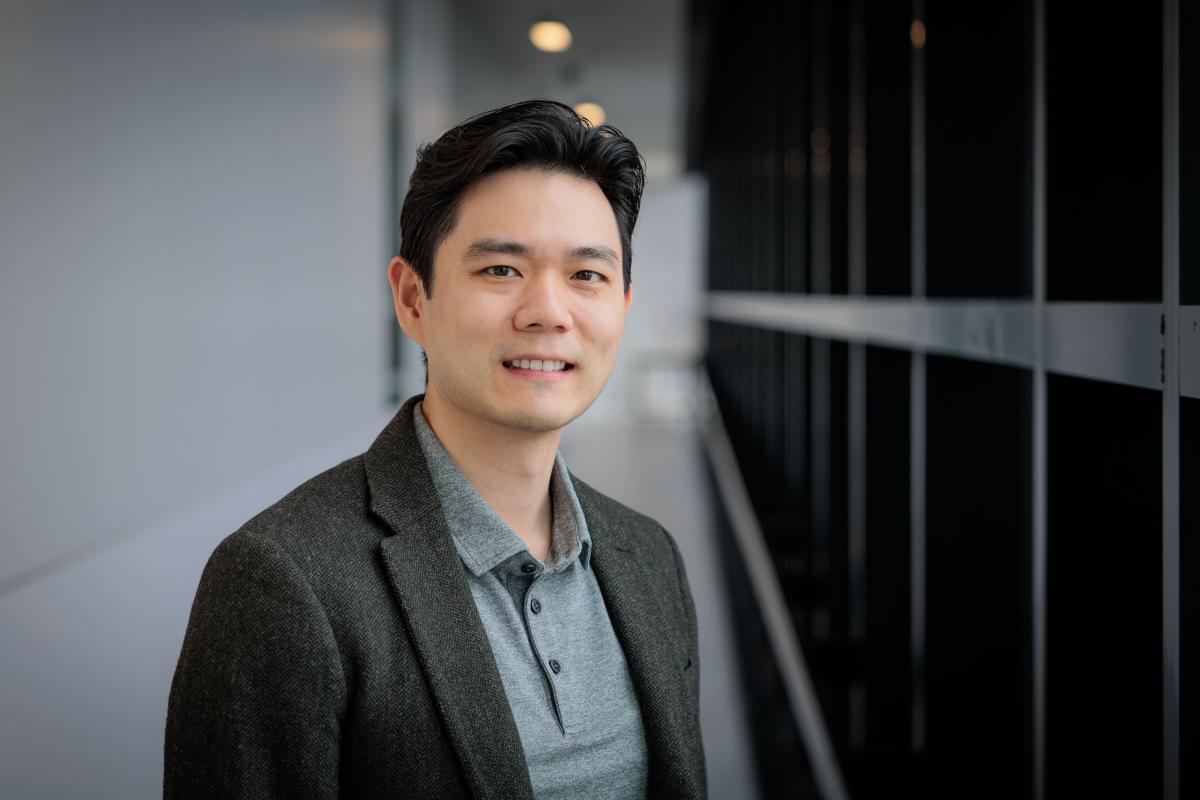 | LARRY LEUNGTitle: Associate Professor of Teaching Faculty: Pharmaceutical Sciences Areas of Interest / IPE Activities: Primary care, Indigenous health and cultural safety, pharmacist integration in team-based practices, patient and community-engaged curriculum, case-based interprofessional learning. Larry Leung has served as the Interprofessional Education Co-Lead at the Faculty of Pharmaceutical Sciences, UBC, since 2015, and co-led the development of the IPE Program in the Entry-to-Practice PharmD Program. Through his team, UPROOT (https://uproot.pharmsci.ubc.ca/), he has had the privilege of collaborating with other healthcare professionals, community partners, and patients in the development of culturally-safe and interprofessional practice models and programming. Larry has a passion for supporting student learners with practical learning opportunities and was the recipient of the West Coast Teaching Award in 2022. |